



Key Takeaways
Review your lease regularly to ensure its terms reflect current Georgia requirements and clearly define landlord responsibilities.
Establish a consistent security deposit process that includes property condition records, documented deductions and timely accounting.
Check municipal ordinances in the specific Atlanta-area jurisdiction where each rental is located, as local requirements may differ.
Maintain organized records of rent payments, maintenance requests and lease violations to support decisions if disputes arise.
Follow Georgia's formal dispossessory procedures when seeking to regain possession rather than attempting an informal eviction.
Renting a home in metro Atlanta involves navigating state laws, federal regulations and local ordinances.
Whether you own one rental in Marietta or multiple properties throughout Cobb County and the greater Atlanta area, understanding these requirements helps protect your investment, promote fair treatment and avoid costly disputes.
This overview from Atlanta Area Property Management, Inc. covers key landlord-tenant rules in Georgia.
This is not legal advice or a complete account of every requirement. Laws and procedures can change, so verify current regulations through official sources and consult a qualified attorney about your specific situation.
Contact Us With the Button Below
The Lease: Your Foundation
A clear written lease establishes expectations for both parties. It should identify the landlord, tenant and property; specify rent and payment dates; define the lease term; and explain policies regarding late fees, pets, occupants, utilities, maintenance and property access.
Lease provisions must comply with applicable state and federal laws. Owners should have agreements reviewed by a qualified attorney and updated periodically. Keep signed copies and addenda readily accessible in case a dispute arises.
Security Deposits
Georgia regulates how landlords collect, hold and return security deposits. Requirements may include specific procedures for documenting property conditions, maintaining deposits and providing an accounting after a tenancy ends.

To reduce disputes, landlords should:
Document the property's condition at move-in with a checklist and dated photographs.
Allow tenants to review and acknowledge the inspection.
Keep receipts and records supporting deductions for damage or cleaning.
Return the deposit or provide an itemized statement within the legally required timeframe.
Because deposit-handling requirements can depend on the property and applicable exemptions, verify current rules before collecting or returning funds.
Habitability and Repairs
Landlords must maintain rental properties in a safe, habitable condition and address necessary repairs within a reasonable time. Tenants are expected to care for the property, avoid damage beyond normal wear and tear, and report maintenance concerns promptly.
Written maintenance requests create a record of reported problems and completed repairs. Establishing a reliable process for receiving requests, coordinating vendors and following up can prevent minor issues from becoming expensive property damage.
Disclosures and Fair Housing
Landlords may need to provide specific disclosures before or during a tenancy. For example, federal law requires lead-based paint disclosures for most residential properties built before 1978. Other requirements may apply depending on the property and location.
Fair housing laws also govern rental advertising, applicant screening, leasing and ongoing tenant relationships. Federal protections prohibit discrimination based on specified protected characteristics, while additional state or local protections may apply.

Owners should establish written screening criteria and apply them consistently to all applicants.
Atlanta Area Property and Management’s screening and leasing practices follow fair housing standards. Consistent procedures help reduce discrimination risks and promote fair treatment.
Rent, Late Fees and Local Regulations
Georgia landlord-tenat law does not generally impose statewide residential rent control. However, landlords must follow applicable laws and lease provisions when increasing rent, assessing late fees or ending a tenancy.
Payment deadlines, grace periods and late fees should be clearly addressed in the lease and applied consistently.
Local regulations can create additional responsibilities. Depending on the municipality, requirements may cover rental registration, inspections, property maintenance, short-term rentals and exterior upkeep. Check with local Atlanta regulations to identify applicable ordinances.
Ending a Tenancy and the Eviction Process
Georgia landlords cannot use self-help eviction tactics, such as changing locks, removing tenant belongings or shutting off utilities. When a tenant fails to pay rent or violates the lease, landlords generally must follow the legal dispossessory process.
This typically involves demanding possession, filing a court action, providing proper notice and allowing the tenant an opportunity to respond. If the court rules in the landlord's favor, enforcement must be handled through the appropriate legal authorities.
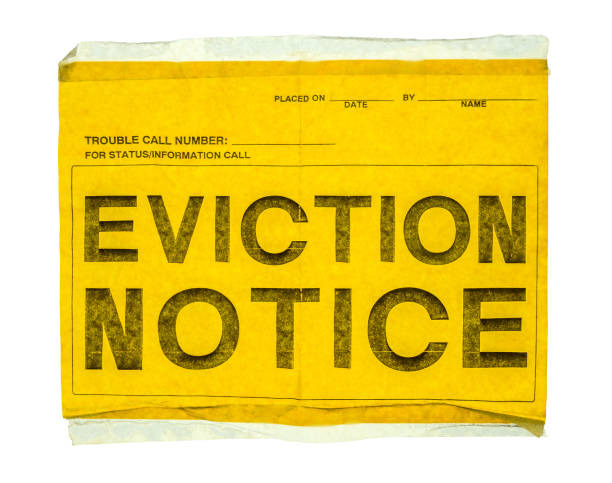
Procedural requirements and deadlines matter. Keep organized records of the lease, payment history, communications and notices. Consult a qualified attorney or an experienced local property manager before initiating eviction proceedings.
What Noncompliance Can Cost
Mistakes in handling Georgia tenant rights can create significant financial and legal consequences. Improperly handled security deposits may result in liability, while defective eviction notices can delay possession and increase lost rental income.
Fair housing violations can lead to complaints, penalties and reputational damage. Neglected maintenance can also create safety concerns and expensive repairs.
Prevention is generally less costly than resolving disputes. Clear lease agreements, consistent screening, accurate records and responsive maintenance help reduce these risks.
Get Help From a Local Property Management Team
Managing rental property in metro Atlanta requires attention to changing regulations and day-to-day responsibilities. Atlanta Area Property and Management offers a free rental analysis to help owners evaluate their investment.
We provide tenant screening, rent collection, maintenance coordination, inspections and financial reporting. Owners should request written details about service terms and any advertised guarantees.
To learn more, call 404.692.3543 or visit Atlanta Area Property and Management.
Practical Tips for Tenants
Being aware of renters' rights in GA can go a long way towards protecting your interests and keeping your tenants safe. Have a copy of the Georgia landlord-tenant handbook on hand, you can find digital copies on the Georgia Department of Community Affairs website.

Tenants should review the lease before signing, document move-in conditions, pay rent on time and keep copies of communications and receipts. Encourage them to submit maintenance requests in writing, follow property rules and report problems promptly.
When disagreements arise, communicate early and keep a record of attempts to resolve the issue. If a dispute remains unresolved, a qualified attorney or local legal aid organization can help explain available options.
Bottom Line
Understanding Georgia landlord-tenant laws helps rental property owners avoid preventable disputes and protect their investments.
Clear leases, proper deposit handling, consistent screening, timely repairs and compliance with eviction procedures all contribute to successful rental operations.
Atlanta Area Property and Management can discuss your rental's management needs and provide a free rental analysis. Call 404.692.3543, visit the company's contact page, or stop by 901 Roswell St, Marietta, GA 30060 to learn more.
Disclaimer: Please note that the information provided in this blog is intended for general guidance and should not be considered as a replacement for professional legal advice.
It is important to be aware that laws pertaining to property management may change, rendering this information outdated by the time you read it.
Frequently Asked Questions About Georgia Landlord-Tenant Law
How Often Should Georgia Landlords Review Their Lease Agreements?
Landlords should review lease agreements periodically and whenever relevant laws change. Provisions covering renewals, rent adjustments, maintenance responsibilities and property access should remain clear and enforceable.
Having an attorney review the agreement can help identify outdated language and reduce potential disputes.
What Additional Requirements Apply to Georgia Section 8 Rental Properties?
Landlords participating in the Housing Choice Voucher Program may need to meet additional inspection, documentation and rent approval requirements. They must also coordinate with the local public housing authority.
Understanding these responsibilities before accepting a voucher can help owners evaluate the administrative demands of the program.
What Records Should Rental Property Owners Keep?
Owners should retain leases, payment histories, security deposit records, maintenance invoices, inspection reports and written communications.
Records of major improvements and operating expenses are also valuable. Organized documentation supports financial reporting, tax preparation and insurance claims while making it easier to address disputes.
How Can Professional Property Management Help Atlanta Landlords?
A property manager can assist with leasing, rent collection, maintenance coordination, inspections and financial reporting. Professional oversight can also help owners maintain consistent administrative processes and stay informed about property-related responsibilities.
Atlanta Area Property and Management offers management services for metro Atlanta rental owners, including assistance with traditional rentals and Section 8 properties.
What Should Landlords Budget for Legal and Compliance Expenses?
Owners should account for potential lease review fees, licensing costs, inspections, maintenance requirements and legal assistance.
Keeping a reserve for unexpected expenses can help protect cash flow when compliance issues or property-related disputes arise. Reviewing these costs annually also helps investors evaluate their rental property's ongoing financial performance.